
Emergency Water Calls, Any Hour
The first few hours decide how large the job becomes. Water climbs drywall, swells particleboard subfloor, and saturates carpet pad faster than most folks realize. Within a day or two, a clean-water loss can turn into a mold job. That is why the phones are staffed all night and emergency calls go right to the closest contractor on duty.
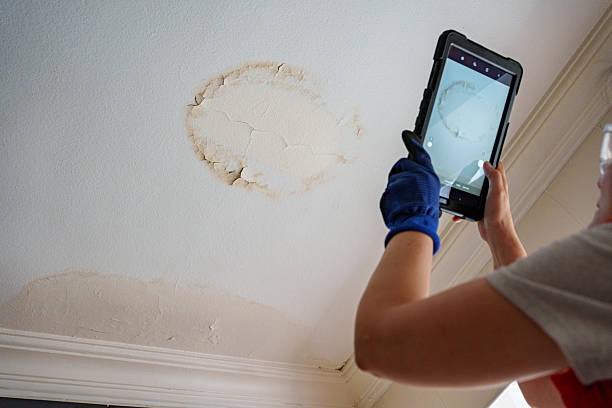
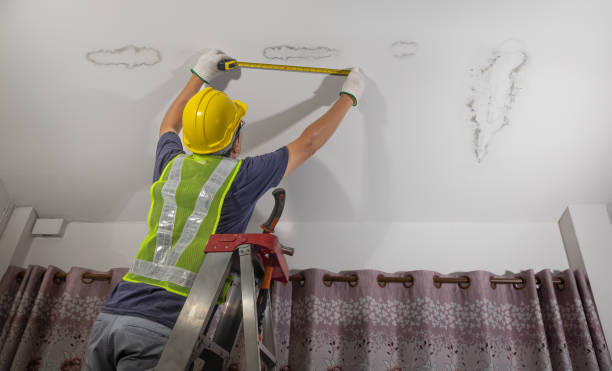
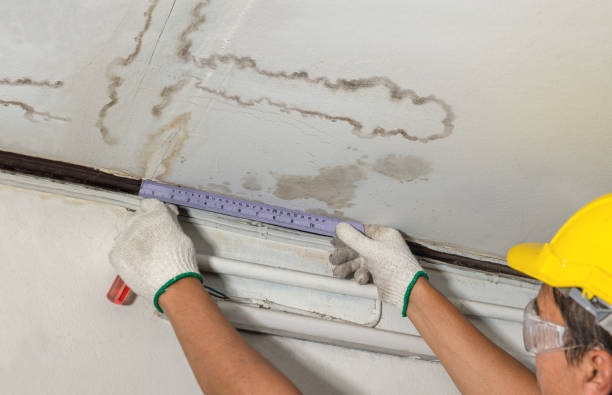
An emergency visit normally begins with the crew confirming the source is off and the space is safe. They verify the supply is off, kill any circuits sitting near water, and get extraction going with portable or truck-mounted equipment. For standing water in a basement or crawlspace, that may mean a submersible trash pump first. Next comes a round of moisture readings, a thermal imaging pass to map where water spread, and the initial set of air movers and LGR dehumidifiers.
By the end of the first visit, you should know a few things clearly. You should know which rooms are affected, what water category you have, and what can be dried in place versus pulled out. You should also know when the crew is coming back to take readings and move equipment. Most homes need three to five days of drying, though hardwood, plaster, and stone foundations often take longer. Keep the equipment running, keep windows closed unless the pro says otherwise, and leave the thermostat where they set it.
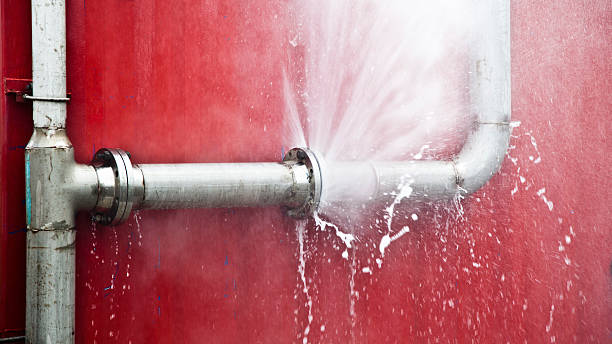
- Burst pipes, failed supply lines, and water heater leaks
- Storm water, roof leaks, and window well flooding
- Failed sump pumps and seeping basement walls
- Nights, weekends, and holidays handled the same way